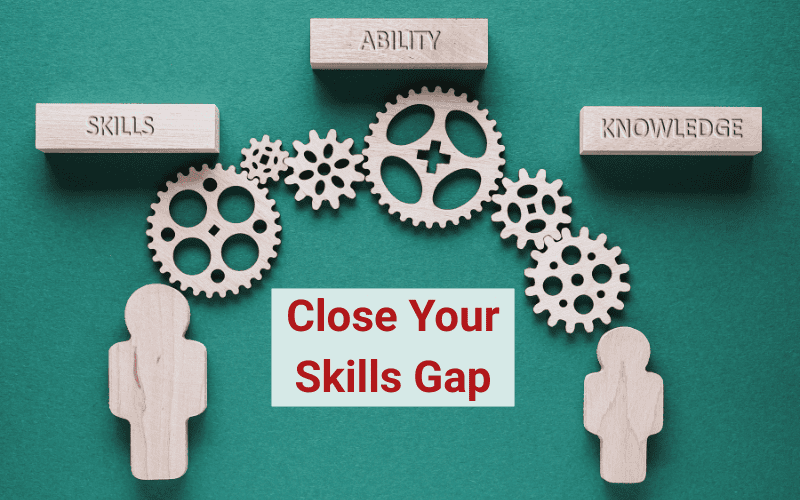
You put in the hours and stay determined, but sometimes, that just doesn’t cut it. Close your skills gap. The real difference between where you are now and where you want to be? It’s usually about skills, not just effort.
Closing your skills gap in 2026 means more than picking up a few new tricks, it’s about having the right coach in your corner and some real accountability to keep you honest.

Let’s be real: most professionals hit a wall because there’s no clear plan for building the right skills. Trying to learn everything on your own? It’s overwhelming, especially when you don’t know what to focus on or how to practice in a way that actually sticks.
This year could look different if you mix targeted skill development with solid coaching and some structure that keeps you moving. You’ll find practical strategies here for closing your skills gap, and maybe even see how investing in yourself now pays off for your career and your family down the road.
Understanding the Skills Gap in 2026
The workforce is changing fast. There’s a growing divide between what employers actually need and what most professionals can offer.
This gap comes from tech advances, new job demands, and old-school training that just isn’t cutting it anymore.
Key Challenges Facing Professionals
It’s tough to keep up. Technology moves faster than most education programs, so what you picked up a few years back might already be out of date.
Remote work flipped everything. Now you need digital collaboration, self-management, and tech skills that weren’t even on the radar before. Trying to learn all that while juggling a full-time job? Not easy.
Common challenges include:
- Limited time for professional development
- Not knowing which skills to tackle first
- Training programs getting more expensive
- Little to no support from your employer
- Not having a way to measure if you’re really improving
With the economy still shaky, companies aren’t rushing to pay for training. That puts the pressure on you. If you don’t have a clear plan, it’s easy to waste time on skills that won’t move the needle for your career.
Identifying Trending Skill Requirements
Every industry wants something different these days. Tech companies want AI, data analysis, and cybersecurity. Healthcare looks for digital patient management and telehealth skills.
And let’s not forget soft skills. Employers want people who adapt fast, think on their feet, and communicate well, especially online. Problem-solving and emotional intelligence are everywhere on job listings.
If you’re not sure what’s hot, check job postings one or two steps above your current role. Industry reports and LinkedIn Learning lists can tip you off to what’s trending. Your network is gold too, ask colleagues who just made a move what skills helped them get there.
Assessing Personal Competency Gaps
Write down the skills your current job needs, plus what you’d need for your dream role. Be brutally honest about where you stand, beginner, intermediate, or advanced.
Ask your manager or a trusted coworker for feedback. They’ll often spot gaps you’re blind to. Performance reviews can also point out what needs work.
Make a simple assessment:
| Skill Area | Current Level | Required Level | Priority |
|---|---|---|---|
| Data analysis | Beginner | Advanced | High |
| Project management | Intermediate | Advanced | Medium |
| Public speaking | Intermediate | Intermediate | Low |
Compare your list to job descriptions you want. The biggest gaps? That’s where to focus. Notice which skills keep popping up across different roles.
Pay attention to tasks that slow you down or stress you out. That’s usually a sign you need to level up. Quick online skill tests can give you an unbiased score, especially for things like software or technical know-how.
The Role of Coaching in Effective Skill Development

Coaching gives you personalized support to spot your real skill gaps and map out how to close them. The right coach brings accountability, expert advice, and strategies that fit your goals—not just generic tips.
How Coaching Accelerates Growth
According to the International Coaching Federation, “People are 95% more likely to achieve their goals when they commit to someone else.” That’s huge. Coaches break down big, scary skills into steps you can actually tackle.
Your coach sees the blind spots you miss. They notice patterns in your habits—good and bad—that affect your progress. This outside perspective can save you months (or years) of going in circles.
Coaching keeps you accountable, especially when your motivation dips. You set milestones together and check in regularly. That steady support helps you avoid the classic trap of starting strong and fizzling out.
Because coaching is personal, you only work on skills that matter for your job and industry. No more wasting time on stuff that doesn’t help you move forward.
Benefits of One-on-One Guidance
One-on-one coaching is all about you, your challenges, your goals. You can talk openly about workplace issues or personal roadblocks without worrying about anyone else listening in.
Coaches adjust their style to how you learn best. Some people want details, others just want to jump in and try. No more cookie-cutter training that leaves you frustrated.
Research in 2022 found that employees with coaching became 20% more skilled in target areas within six months, and 14% more ready for promotions. That’s because coaching is focused on what you actually need to learn.
You get feedback right away. Try a new approach, and your coach will tell you what worked and what didn’t before you build bad habits.
Selecting the Right Coach
Find coaches who know your field or the skills you want. If you’re in marketing, you want someone who’s been there, not just anyone with a “coach” title.
Look for:
- Relevant certifications
- Proof they’ve helped people with goals like yours
- A communication style you click with
- Regular sessions that fit your calendar
- A clear way to track your progress
Chat with a few coaches before picking one. See if their approach feels right for you. You should feel comfortable speaking up and asking questions.
Check if they offer video calls, phone, or even chat support. Virtual coaching means you can work with anyone, anywhere. Some coaches even answer quick questions between sessions.
Be clear about what you want to achieve. A good coach will help you set measurable goals and explain how they’ll help you get there.
Building Accountability Into Your Learning Journey
Tracking your wins, teaming up with others, and celebrating milestones keeps you going when learning gets tough.
Systems for Tracking Progress
You need a way to see if you’re actually improving. Start with a basic spreadsheet or a notebook—write down what you learned, how long you practiced, and what you finished.
Set real metrics. If you’re working on public speaking, count how many presentations you do and what feedback you get. For tech skills, keep track of finished projects or new certifications.
Take 30 minutes each week to review what’s working and what’s not. This helps you see progress and adjust if you’re just spinning your wheels.
Apps and online tools can help, but don’t overcomplicate it. Pick one method and stick with it.
Accountability Partners and Groups
Having someone to answer to changes the game. An accountability partner checks in on your goals and calls you out if you slack off.
Pick someone who’s also learning new skills. Meet weekly to talk about what’s working and what’s not. They should support you, but also keep you honest.
Small groups work too. Groups of three to five people can share resources and give you different perspectives. Set regular calls where everyone reports progress and sets goals for next time.
Celebrating Milestones and Success
Don’t wait for the big wins, celebrate the small stuff. Finished a course module? That’s worth a pat on the back.
Set up little rewards. After 20 hours of practice, treat yourself. Got a new certification? Post it on LinkedIn and take the afternoon off.
Keep a success log and jot down your weekly wins. When you feel stuck, look back and see how far you’ve come.
Share your progress with people who get it, family, friends, coworkers. Their encouragement can make all the difference.
Strategies to Close Your Skills Gap Efficiently
If you want to close your skills gap in 2026, focus on what matters most. Adapt your approach to what works for you, and use the right tools to move faster. As Peter Drucker famously said, “The best way to predict the future is to create it.”
Recent research in 2022 backs it up: people who mix targeted learning with coaching and accountability see real, lasting change. So, what’s your next step?
Prioritizing High-Impact Skills
You’ve got to figure out which skills will actually move the needle in your career right now. Start by looking at your current job and the next step you want to take.
What specific abilities do those roles require that you’re missing? Sometimes it’s tough to see your own gaps, so talk to people who already work in those positions.
Ask your manager what would make you more valuable. Review job postings for the roles you’re aiming for in the next couple of years.
Target skills that solve real problems at work. If your team struggles with data, maybe it’s time to get serious about Excel or basic stats.
If client communication is a mess, focus on your presentation skills. Don’t try to learn everything at once, pick three to five skills, tops.
Master one before you move on. Trust me, spreading yourself too thin just slows you down.
Customizing Your Learning Plan
Your learning plan needs to fit your life, not someone else’s. What works for your coworker might not work for you.
Block out time each week for learning. Even just 30 minutes, three times a week, adds up, over 75 hours in a year, actually.
Pick times that you won’t skip, whether that’s mornings, lunch breaks, or late at night. Find learning methods that match your style.
Some people learn best by doing projects, others by watching videos or reading guides. Set milestones with real deadlines.
Instead of saying, “learn project management,” try “finish an online project management course by March 15” or “lead a small project by April 30.”
Track your progress every week. Jot down what you learned and how you used it. This keeps you honest and lets you see your progress.
Utilizing Digital Learning Platforms
Online platforms give you a huge range of courses without the price tag of a degree. LinkedIn Learning, Coursera, and Udemy have industry experts teaching almost everything.
You can learn at your own pace, pause, rewind, repeat, whatever you need. Many courses offer certificates you can add to your resume.
Look for platforms with hands-on projects. Learning theory is great, but you need to use what you learn in real life.
Courses with case studies, assignments, and peer feedback help you build real skills faster. YouTube channels run by professionals are a goldmine for free, targeted training.
Podcasts let you learn on the go, and mobile apps help you practice skills in short bursts throughout your day.
Integrating Coaching and Accountability for Sustainable Results
Coaching gives you direction. Accountability keeps you moving. Together, they create a system that helps you build new skills and stick with it, even when motivation dips.
Blending Guidance With Self-Discipline
Your coach brings experience and advice. But it’s your self-discipline that really determines how far you’ll go.
This partnership works because coaching gives you the tools, while accountability makes sure you use them.
Set specific goals with your coach. Create a simple tracking system to check progress between meetings.
What makes this blend work?
- Daily action steps tied to your bigger goals
- Weekly check-ins to see what’s working (and what’s not)
- Clear ways to measure your skill growth
- Personal commitments you make to yourself, not just to your coach
Let’s be honest, we all work harder when someone’s expecting results. Knowing you’ll talk about your progress in the next session keeps you on track.
Feedback Loops for Continuous Improvement
Regular feedback helps you see what’s working and what needs a tweak. Your coach should give you feedback after each session, but you’ve got to assess yourself too.
Try a feedback schedule like this:
| Frequency | Type | Purpose |
|---|---|---|
| Daily | Self-assessment | Track immediate progress |
| Weekly | Coach review | Adjust strategies |
| Monthly | Skills evaluation | Measure growth |
Ask for specific feedback on the skills you’re building. Have your coach point out both what’s improving and what needs more work.
Write down the feedback you get. Review your notes often to spot patterns and keep yourself on track.
Overcoming Common Obstacles
You’ll hit roadblocks as you learn new skills. The usual suspects? Time issues, fear of failing, and getting inconsistent.
Handle time problems by treating skill practice like a real meeting, block it out on your calendar. Your coach can help you figure out which activities matter most.
Fear of failure is a biggie. Your coach acts as a safety net, helping you see mistakes as learning instead of setbacks.
If you’re struggling with consistency, break big goals into daily steps. Your accountability system should make it obvious if you’re on track. Miss a day? Figure out why and adjust.
Long-Term Benefits of Investing in Skill Development
Learning new skills pays off for years, not just months. These benefits stack up, opening doors and building strengths that stick with you your whole career.
Career Growth and Opportunities
When you build new skills, you’re suddenly eligible for jobs that used to be out of reach. Managers notice people who take the initiative to learn.
A 2022 LinkedIn Workplace Learning Report found that 76% of workers are more likely to stay with companies that invest in their learning. That’s a huge number.
Your new skills make you a stronger candidate for promotions. You can handle more complex work and show leadership your value.
The job market rewards skilled people. Companies everywhere struggle to find folks with technical chops and advanced soft skills like negotiation and emotional intelligence.
Major career advantages:
- Access to better-paying roles
- Consideration for leadership jobs
- Flexibility to switch fields
- Protection if the job market shifts
Boosting Confidence and Performance
Building skills changes your whole approach to work. You handle challenges better because you’ve got the right tools.
Daily tasks get easier as new skills turn tough problems into manageable ones. Less stress, more balance, what’s not to love?
Your confidence grows as you see yourself deliver results. You speak up more, take on bigger projects, and ask for what you need.
People notice. Colleagues ask for your help, managers trust you with key tasks, and clients value your expertise.
Enhancing Future Preparedness
Tech and business change fast. Skills that matter now might be old news in a couple years.
The World Economic Forum reported in 2022 that digital skills are in high demand, but there aren’t enough skilled people to fill the jobs. Staying current keeps your career safe and opens up new chances.
Continuous learning makes you adaptable. And honestly, that’s a skill employers love, someone who can pick up new things quickly and put them to use.
Your investment now lays the groundwork for whatever comes next. Whether you stick with your field or try something new, those learning habits will pay off for decades.
“The future belongs to those who learn more skills and combine them in creative ways.” — Robert Greene
Frequently Asked Questions

Skills gaps can hold you back from reaching your full potential at work. Figuring out what you need, how to build it, and where to get support can really move your career forward.
What are the essential skills needed to excel in my professional role?
The essentials depend on your industry and job. Technical skills are your foundation, maybe that’s software, data analysis, or industry know-how.
Communication is key in almost every job. You’ve got to share ideas clearly, listen, and work with others. Problem-solving helps you tackle daily challenges.
As you move up, leadership and time management matter more. You’ll need to prioritize, hit deadlines, and help others grow. Adaptability is huge too, especially as things change.
How can I improve my career prospects through targeted skill development?
Start by spotting the gaps between where you are and where you want to go. Check job postings for your dream roles and see what skills they want.
Ask your manager or a mentor which skills will help you advance. Don’t try to learn everything at once, focus on one or two at a time.
Take online courses, go to workshops, or practice new skills at work. Track your progress and note how you use new abilities. This helps in reviews and interviews.
Can investing in training really make a significant impact on my career growth?
Training gives you real skills that make you more valuable. When you learn new things, you can take on different projects and responsibilities. That often leads to promotions and raises.
Pick training that matches your goals. Specialized courses help more than generic ones. Hands-on practice beats theory every time.
Companies notice employees who take charge of their growth. Showing initiative matters as much as the skills themselves.
What types of training or coaching can help bridge the gap to achieve long-term success?
One-on-one coaching gives you tailored advice for your situation. A coach can spot blind spots and help you improve faster.
Group training and masterclasses teach industry-specific skills with built-in accountability. Learning with peers who face the same challenges can be motivating.
Online courses are flexible and let you learn at your own pace. Mixing different types of training usually works best.
Mentors in your field share real-world insights you won’t find in books or courses. That relationship can open doors you didn’t even know existed.
Is it possible to gain confidence and consistency in my profession through a masterclass?
Let’s be real, everyone wants to feel more confident at work. A well-designed masterclass can help, especially when it focuses on proven methods that actually work in the real world.
Learning strategies straight from experts can ease your worries about messing up. It gives you a roadmap for those tricky situations that used to make your palms sweat.

But here’s the catch: just watching a bunch of videos won’t magically change how you act. You need to roll up your sleeves, practice, and get honest feedback.
According to Dr. Carol Dweck, author of “Mindset,” “Becoming is better than being.” That means improvement comes from doing, not just knowing.
Consistency? That’s all about habits. A solid masterclass gives you practical tools and routines you can actually use, not just theory to forget by next week.
Recent research from 2022 out of Stanford found that people who practiced skills in real time with feedback kept up their progress long after the course ended. So, it’s not just hype, there’s science behind it.
Bottom line? You’ll get out what you put in. If you dive in, try things, and stay open to feedback, a masterclass can absolutely move the needle for your confidence and consistency. If you just binge-watch, well, don’t expect miracles.
How do I schedule a free coaching call to discuss my skill development needs?
A free coaching call is your shot to chat one-on-one with an expert about what’s holding you back. These calls usually run between 30 and 60 minutes, so they’re not a huge time commitment.
You’ll get to talk about your goals, your job, and maybe even those things you wish you were better at but haven’t quite nailed down yet.
Most coaches set up their calendars through a website or a booking link. You just pick a slot that fits your week.
They’ll probably ask for a few details, nothing too personal, just enough to get a sense of what you’re after.
It helps if you come prepared. Think about your role, where you want to be, and the skills you wish you had.
The more you can share, the more the coach can actually help. It’s not about having the perfect answer, just being real about what you want.
No one’s going to pressure you to sign up for anything after the call. Honestly, use this time to figure out if the coach’s vibe fits you.
Ask them about their experience, how they work, and what results they’ve seen. If you don’t ask, you’ll never know, right?

What Do Experts Say About Coaching?
According to Marshall Goldsmith, one of the world’s top executive coaches, “What got you here won’t get you there.” That rings true for skill development—sometimes you need outside perspective to break through.
A 2022 study from the International Coaching Federation found that 89% of people who tried coaching reported improved self-confidence, and 70% said their work performance got a boost. That’s not nothing
Try a Free Coaching Call
Honestly, if you’re even a little bit curious, there’s not much to lose. Worst case, you get some advice and move on. Best case, you find someone who can help you level up.
Everyone’s got different needs, but asking for help? That’s never a bad move.


