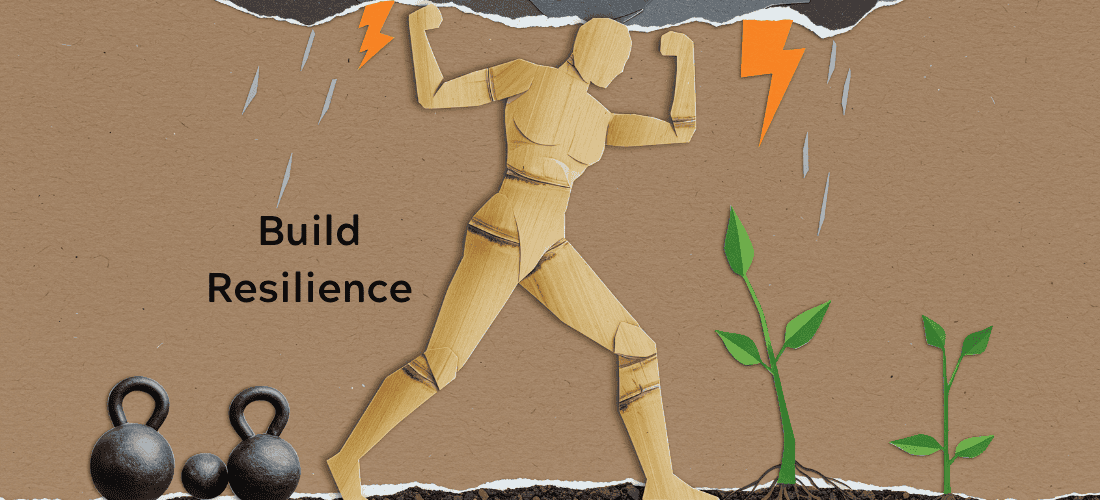
Career success rarely comes down to talent alone. It’s more about how you handle obstacles, build resilience and keep moving, even when things get rough.
Steve Jobs nailed it when he said, “I’m convinced that about half of what separates the successful from the nonsuccessful ones is pure perseverance.” That’s a hard truth many people overlook. Resilience and perseverance are essential qualities for anyone who wants real progress in their professional journey.

To build a strong career, you need three things. First, a vision to guide your direction. Second, a strategic plan to keep up your momentum. Third, a deep, stubborn belief in yourself that keeps you going when things get tough.
Without these, even the most gifted professionals can feel stuck or lost. Research in positive psychology shows that perseverance is the commitment to overcome obstacles and pursue long-term goals. It often matters more than raw talent or intelligence.
Whether you’re just starting out or trying to reinvent yourself, learning to tap into resilience and perseverance sets you apart from those who quit when the going gets tough.
Growth at work means developing mental toughness for hard times. It also means thinking strategically to get through complex situations.
The Power of Vision: Laying the Foundation for Growth
Having a clear vision for your career is like having a compass. It helps you make decisions and stay focused when things get tricky. It also serves as a strong foundation to set goals that actually matter to you and help you chart a path that feels right for you.
Start by Defining Your Professional Purpose
Your professional purpose is what gets you out of bed in the morning. It’s bigger than your to-do list or your paycheck.
Your purpose statement doesn’t need to be perfect, but it should point you in a direction. Something like, “I help organizations improve employee engagement through data-driven strategies,” gives you clarity and room to grow.
Think about when you’ve felt most alive at work. What were the moments that made you lose track of time? That’s where your motivation lives.
Try asking yourself questions like:
- What problems do I actually care about solving?
- What actions do I need to take to unveil a solution?
- What kind of impact do I want to leave on the people concerned?
Take time to review and brainstorm on these questions, they help you tell a better story about how your work connects to the big picture of who you are.
Clarify Short and Long Term Career Goals
Turning purpose into progress means setting real goals. If you don’t, do this your vision will stay stuck, like a daydream. So clearly define your shourt and long term goals.
Short-term goals (Somewhere between 6-18 months) might be about building a skill, getting certified, or leading a project. Long-term goals (Between 3-5 years) should connect to your bigger ambitions and what you want your future to look like.
Also something else you could try when it comes to goal setting is the SMART method:
- Specific: “Develop expertise in project management”
- Measurable: “Complete PMP certification”
- Achievable: Based on where you are now
- Relevant: Tied to your bigger plans
- Time-bound: “Within 12 months”
Having a goal is not all, expecially in our current world where change happens all the time. You have to check on your goals periodically, during performance reviews. This way you have an opportunity to adjust as you go.
Building a Strategic Roadmap to Maintain Momentum
Next think about a strategic roadmap as a blueprint for your career. This is what connects your vision to daily actions.
Witgh clear priorities you break big dreams into smaller, doable steps, and you can adjust when life throws curveballs.
Set Achievable Milestones
Mark your path with milestones. Figure out the skills you need to develop in the next year. Then break big goals into bite-sized wins.
Let’s say for example, you want to lead a team, maybe your milestones will look like:
- Finish leadership training in 3 months
- Lead a project within 6 months
- Mentor someone new in 9 months
This way you have kept each milestone measurable and tied to a deadline. “Give three presentations to senior management by year-end” beats the vague “improve communication skills.”
In building yiurs, make sure each win build on the last. This keeps you moving, especially when progress feels slow. Also be honest about your workload. If you try to do too much, you’ll just burn out.
Yes, it’s ok to stretch yourself, but don’t over do it.
Leverage Feedback for Continuous Improvement
Feedback keeps your roadmap alive. Ask for input from managers, peers, and direct reports, aim for every quarter if you can.
Be specific. Instead of “How am I doing?” try, “What skill should I focus on to get to the next level?”
Set up feedback channels, for example:
| Source | Frequency | Focus Area |
|---|---|---|
| Manager | Monthly | Performance gaps |
| Peers | Quarterly | Collaboration skills |
| Direct reports | Bi-annually | Leadership effectiveness |
Write down what you hear. If several people mention the same thing, it’s probably worth your attention.
360-degree reviews are gold for spotting your blind spots. Don’t just collect feedback actually use it. Update your milestones as you learn more.
Monitoring Progress and Adjusting Course
Check in with yourself every month. Are you moving forward? What needs to change?
Track both leading indicators (like hours spent learning) and lagging ones (like promotions or raises).
Keep a simple journal of what works and what doesn’t. You’ll spot patterns over time.
Stay flexible. If your industry shifts or your priorities change, it’s okay to pivot.
If you fall behind on a milestone for a month, pause and review. Don’t wait until you’re way off course.
And don’t forget about your well-being. If the grind is making you miserable, it’s time to rethink your approach.
Cultivating Resilience and Perseverance
Resilience and perseverance don’t happen by accident. You build them on purpose, with the right mindset and habits. These two are the skills that keep your career moving, even when you hit roadblocks.
Developing a Growth Mindset
Believing you can grow makes you more resilient. It’s looks simple, but it takes practice.
You can build resilience by treating challenges as chances to learn. When things go wrong, ask, “What can I learn?” instead of “Why me?”
Try these habits:
• Welcome feedback, even when it stings
• Focus on progress, not perfection
• Stay curious: there’s always a new way to tackle problems
Learning new skills takes patience. No one becomes an expert overnight. Stick with it, even when it’s slow.
Overcoming Setbacks and Embracing Challenges
Resilience means bouncing back from adversity. How you react to setbacks shapes your long-term success.
When you hit a wall at work, set clear, achievable goals to keep moving. Don’t just wait for motivation, build routines that keep you on track.
What helps?
• Lean on your mentors and colleagues
• Stick to routines that keep you productive
• Celebrate small wins, even if they seem tiny
Building resilience takes daily effort. Over time, setbacks can highlight new skills you need. Use these moments to fill in your gaps and get stronger.
Empowering Yourself: Belief and Motivation
Lasting success starts with believing in yourself, even when things are shaky. Self-belief fuels your motivation and helps you bounce back from tough times.
Self-Efficacy and Personal Drive
Your confidence in your own skills is the bedrock of career growth. Self-empowerment means taking charge and making choices that match your values.
To build leadership skills, try this:
- Set small goals to prove you can do it
- Write down your wins, even the little ones
- Ask mentors for honest feedback about your strengths
Trusting your own judgment helps you make better decisions under pressure. People notice when you show up with confidence and skill.
Empowering beliefs help you push through setbacks. Swap out “I’m not ready” for “I get better every time I try.”
Your motivation grows when you connect your daily work to something bigger. Write down why your job matters to you, not just your bank account.
As Maya Angelou said, “You may encounter many defeats, but you must not be defeated.” That’s the spirit of resilience—keep showing up for yourself, even when it’s hard.
Consistent actions spark momentum for long-term success. Self-leadership grows from steady, structured daily practices that guide you toward your goals.
Morning Routine for Professional Focus:
- Glance at your top three priorities before diving into emails.
- Take 10 minutes to picture yourself finishing key tasks.
- Read a bit of industry content to stay sharp and boost confidence.
Your work-life balance improves when you draw boundaries to protect your energy. Set aside time for professional development, and keep it separate from family or personal time.
Building self-empowerment means practicing self-compassion, especially when things get tough. Give yourself the same kindness you’d offer a colleague facing a rough patch.
Track your progress each week with simple metrics. Watching your growth over time reminds you that effort really does pay off.
How to Strengthen Your Professional Network
Building meaningful connections takes strategic action and steady engagement. It’s not just about collecting contacts—it’s about showing up and offering value first.
Networking Strategies for Career Advancement
Networking works best when you focus on genuine, value-driven relationships. Prioritize quality over quantity, and look for people whose expertise matches your ambitions.
Give before you receive. Share insights, make introductions, or offer solutions. This builds trust and respect, and lays the groundwork for lasting professional friendships.
Set up informational interviews with folks in your target industry. These conversations help you learn about different paths and make real connections.
Keep up with follow-ups. Send a quick note when someone achieves something, or share an article they might like. Regular engagement keeps you in mind when new opportunities pop up.
Leveraging LinkedIn and Professional Associations
LinkedIn is your digital networking headquarters. Send daily connection requests to people who matter to your field, and personalize your message each time.
Join professional associations in your industry. Get involved in events and activities—that’s where you find people who share your passions.
Share valuable content on LinkedIn. Post your thoughts or industry insights to show what you know. People want to connect with someone who brings something new to the table.
Network up by reaching out to senior professionals. Those relationships can lead to mentorship and open doors you didn’t even know existed.
Continuous Learning and Skill Enhancement

Professional growth takes investment in your knowledge, and you’ve got to keep up with what’s changing all the time. Modern learning platforms let you upgrade your expertise, and certifications prove you’re serious about excellence.
Online Courses, Workshops, and Seminars
Online courses fit into busy lives. Coursera, edX, and LinkedIn Learning offer thousands of options in every field you can imagine.
Go at your own pace. If something’s tricky, you can always revisit it. Many courses include hands-on projects, so you get skills you can actually use right away.
Workshops give you focused, intensive training. They usually last a few days and dig deep into specific topics.
Seminars are a chance to meet industry experts and peers. You learn what’s new, and you build your network while you’re at it.
Key benefits include:
- Immediate use of new skills
- Access to experts
- Flexible schedules
- Much more affordable than traditional education
Pick programs that match your career goals and give you actionable takeaways. You want to walk away with something you can put into practice right now.

Get Coaching or Training Support from a Certified Coach Consultant
Certifications and Advanced Education Options
Certifications show employers and clients that you know your stuff. Credentials like PMP, Google Analytics, or AWS can really raise your earning potential.
Most certifications need ongoing education. That way, you stay current with what your industry expects.
An MBA or advanced degree can open doors to leadership. You’ll build strategic thinking, leadership, and business savvy that companies want.
Think carefully about the time and money you’ll put in. Continuous learning really does move your career forward, especially when you choose structured paths.
Popular certification areas:
- Technology: Cloud, cybersecurity, data analysis
- Project Management: PMP, Agile, Scrum Master
- Marketing: Google Ads, HubSpot, Facebook Blueprint
- Finance: CPA, CFA, FRM
Staying Informed on Industry Trends
Industries never stop changing. New tech, regulations, and best practices can shift your work overnight.
Subscribe to publications, follow thought leaders, and block out time each week to catch up. If you don’t, you’ll fall behind—and nobody wants that.
Go to conferences and trade shows if you can. They’re where you see the latest innovations and meet the people shaping your field.
Join professional associations for exclusive research and events. They’re a goldmine for continuous skill growth.
Effective trend-tracking methods:
- RSS feeds from top sites
- Podcasts while commuting or working out
- Industry reports from research firms
- Social media groups and discussions
- Webinars by industry leaders
Consistency is everything. Even 30 minutes a day reading up on your industry can make the difference between staying ahead or getting left behind.
From Development to Leadership: Stepping Into New Roles

Stepping up to leadership means you’ve got to jump into growth opportunities and build the skills that matter. It’s about putting yourself out there, learning from mentors, and communicating like a pro.
Volunteering for Leadership Roles
Take on leadership roles before you get the title. Lead a project, organize an event, or head up a cross-team initiative.
These experiences teach you how to decide under pressure and manage different personalities. You’ll get a feel for team dynamics and how to handle conflict.
Start small committee work or temporary project leads are perfect. You’ll learn without feeling overwhelmed.
Benefits of volunteering for leadership:
- Boosts decision-making confidence
- Sharpens problem-solving
- Gets you noticed by upper management
- Gives you real stories for interviews
Keep a record of your wins. Note projects, improvements, or savings you helped make happen.
Mentoring and Being Mentored
A mentor can make all the difference as you grow into leadership. Their support and wisdom are gold.
Find mentors who’ve walked your path. They’ll share what worked and what to watch out for.
Mentoring others helps you too. When you teach or guide junior colleagues, you practice explaining things clearly and giving helpful feedback.
Key mentoring relationships:
- Senior mentor: 2-3 levels above you
- Peer mentor: Same level, different department
- Junior mentee: Someone you help develop
Meet with mentors and mentees regularly. Bring specific questions or situations, not just general chit-chat.
Improving Communication Skills
Great leaders communicate well. You need to explain ideas, listen, and adjust your message for different people.
Practice presenting to groups. Try speaking clubs or volunteer to give team updates. Each time, you’ll get a bit better.
Essential communication skills for leaders:
- Active listening: Really hear what others say
- Clear writing: Keep emails and reports concise
- Public speaking: Share ideas confidently
- Difficult conversations: Tackle problems directly, with respect
Work on emotional intelligence too. Notice body language and tone during chats. That helps you sense when someone’s upset or confused.
Ask colleagues for feedback on your communication. Sometimes you don’t spot your own habits, like talking too fast or using too much jargon.
“Leadership is not about being in charge. It’s about taking care of those in your charge.” — Simon Sinek
Sustaining Resilience for Long-Term Career Satisfaction

Lasting career satisfaction comes from a strategic mindset and resilience. You’ve got to balance growth with personal wellbeing, and manage your time so you can keep going strong.
How to Balance Ambition and Well-Being for Lasting Career Success
Chasing big career goals should lift you up, not wear you down. Did you know three out of four employees feel stressed at work? That’s a lot—so finding balance isn’t just nice, it’s necessary if you want to keep going strong.
Key Balance Strategies:
- Draw a line between work hours and your own time. Don’t let one bleed into the other.
- Pause every so often and ask yourself if your current path matches what you actually care about.
- Carve out time to recover, not just to work.
- Keep up with friends, family, and people outside your job. They matter more than you might realize.
It’s easier to feel satisfied at work when you see setbacks as bumps in the road, not dead ends. This mindset helps you bounce back from rough patches and protect your mental health at the same time.
Warning Signs of Imbalance:
- Feeling wiped out even after a full night’s sleep
- Your performance slipping in areas that used to be your strong suit
- Losing excitement about new career possibilities
- Arguments or distance growing in your personal relationships
Time Management: The Secret Weapon for Resilience
If you want to stay resilient in your career, you’ve got to get serious about time management. It’s not just about getting stuff done—it’s about making sure you’re growing while you do it.
Essential Time Blocks:
| Priority Level | Time Allocation | Activities |
|---|---|---|
| High | 60% | Core job responsibilities |
| Medium | 25% | Skill development and networking |
| Low | 15% | Administrative tasks |
Don’t just collect new skills at random. Focus on learning that fits your goals. That way, every hour you put in really counts.
Daily Resilience Practices:
- Take 15 minutes to reflect and plan your day. It’s time well spent.
- Protect blocks of “deep work” time—turn off notifications, close your door if you can.
- Add buffer time between meetings so you can breathe and reset.
- Save a little energy for surprises. You never know when a great opportunity will pop up.
Treat your time like gold. Say no to things that don’t help you grow or make you happier. It’s not selfish—it’s smart.


Perseverance sits at the heart of every real success story. Steve Jobs once said, “I’m convinced that about half of what separates the successful entrepreneurs from the nonsuccessful ones is pure perseverance.”
He nailed it, didn’t he? It’s not just talent or wild ideas that set people apart. It’s sticking with it when things get ugly.
Pushing forward even when you’re tired or discouraged—that’s what sets you up for breakthroughs. If you can keep going when others quit, you’re already ahead.
Jobs himself hit plenty of roadblocks. He even got fired from Apple, the company he started. Still, he kept chasing his vision, and eventually, he changed the world.
So, when your own projects flop or that promotion doesn’t come, remember: perseverance is your edge. Every setback is just another step toward your next big win.
Learning to be persistent isn’t something you’re born with it’s a skill you can build. Practice it, and you’ll see your whole approach to work shift. Suddenly, you’re the one people count on to deliver, no matter what.
Frequently Asked Questions

Building resilience isn’t magic it’s a mix of practical steps and mindset tweaks. The right approach can help you handle rough patches at work and keep moving forward.
How can one develop career resilience for professional growth?
Start by figuring out where you want to go. Ask yourself, “Who do I want to become? What skills do I need?”
Map out a learning plan that covers both technical and people skills. Set small, monthly goals and actually track your progress. It’s surprising how motivating that can be.
Don’t try to go it alone. Build a network of mentors and friends in different industries. When things get tough, these are the folks who’ll have your back.
Say yes to new projects or roles that scare you a bit. Every time you step outside your comfort zone, you get a little stronger for the next challenge.
What are key strategies for enhancing emotional resilience in the workplace?
Start with self-awareness. Notice what triggers your stress before it turns into a full-blown problem.
Make daily habits that protect your mind—take breaks, breathe deeply, and hold the line on work-life boundaries. Little things add up.
Try to see failures as lessons. Focus on what you can change, not what you can’t.
Find a few trusted colleagues to talk things through with. Sometimes, just knowing someone’s listening makes all the difference.
Why is resilience considered crucial in one’s career trajectory?
Resilience is how you bounce back after things go sideways. Without it, even small failures can knock you off course.
Industries change. Economies shift. If you can adapt, you’ll stay in the game while others struggle to keep up.
Bosses notice when you keep your cool under pressure. That’s the kind of attitude that leads to promotions and leadership roles.
When you’re job hunting or changing careers, resilience keeps you confident. You’ll face challenges with hope instead of dread.
Can you outline five effective methods to foster resilience within a team or organization?
Make it safe for people to take risks. If folks know they won’t get slammed for mistakes, they’ll try new things and learn faster.
Do team-building activities that actually build trust and connection. It’s not just about fun it’s about support when things get tough.
Offer real chances to learn and grow. When teams develop together, they don’t panic when the unexpected hits.
Keep communication clear and regular. People need to know what’s going on and what’s expected of them.
Celebrate wins, big and small. Recognition keeps everyone motivated and ready to push through challenges.
What does building resilience entail, and how does it contribute to professional success?
Building resilience means toughening up mentally and emotionally. You train yourself to focus on solutions, not just the problems.
It’s about setting up habits that support your wellbeing exercise, good food, and real rest. Those basics matter more than you think.
Sharpen your problem-solving skills. Break big problems into steps you can actually tackle.
In the end, success comes from showing up and performing even when things are hard. Resilient people deliver, no matter what’s going on around them.
How to Build Unshakeable Resilience at Work: 4 Key Steps for Professionals
You start by building self-awareness. Regular reflection and honest feedback from colleagues really shine a light on your strengths and weaknesses.
Understanding what you’re great at and where you stumble prepares you for whatever comes next. It’s not always easy to look inward, but it’s worth it.
Strong relationships matter more than we sometimes admit. Mentors, peers, and teammates can offer support and guidance that’s hard to find elsewhere.
Those connections become lifelines when things get tough at work. Don’t underestimate the power of a good conversation or a supportive ear.
Stress management isn’t just a buzzword. Mindfulness, time management, and setting clear priorities help you keep your head above water when deadlines pile up.
These habits let you focus and stay steady, even when the pressure is on. Sometimes, a deep breath and a short walk are more powerful than they seem.
Finding purpose in your daily grind makes a real difference. When you connect your everyday tasks to bigger professional goals, motivation follows.
As Viktor Frankl once said, “Those who have a ‘why’ to live can bear with almost any ‘how.’” That sense of meaning can carry you through the rough patches.


